By TurkNews Staff
March 4, 2026 | 14:55 (GMT+3)
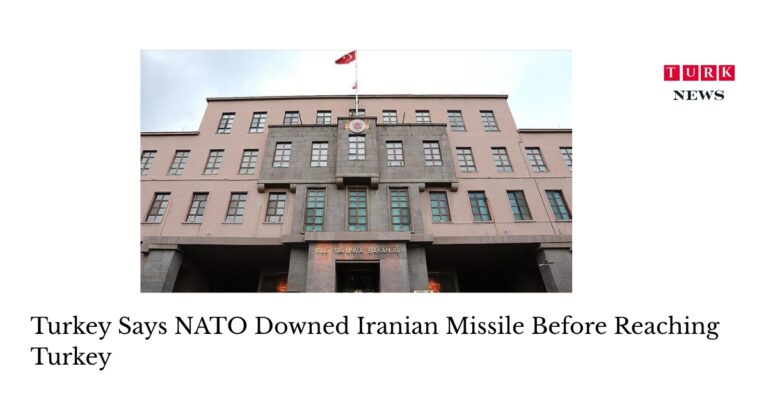
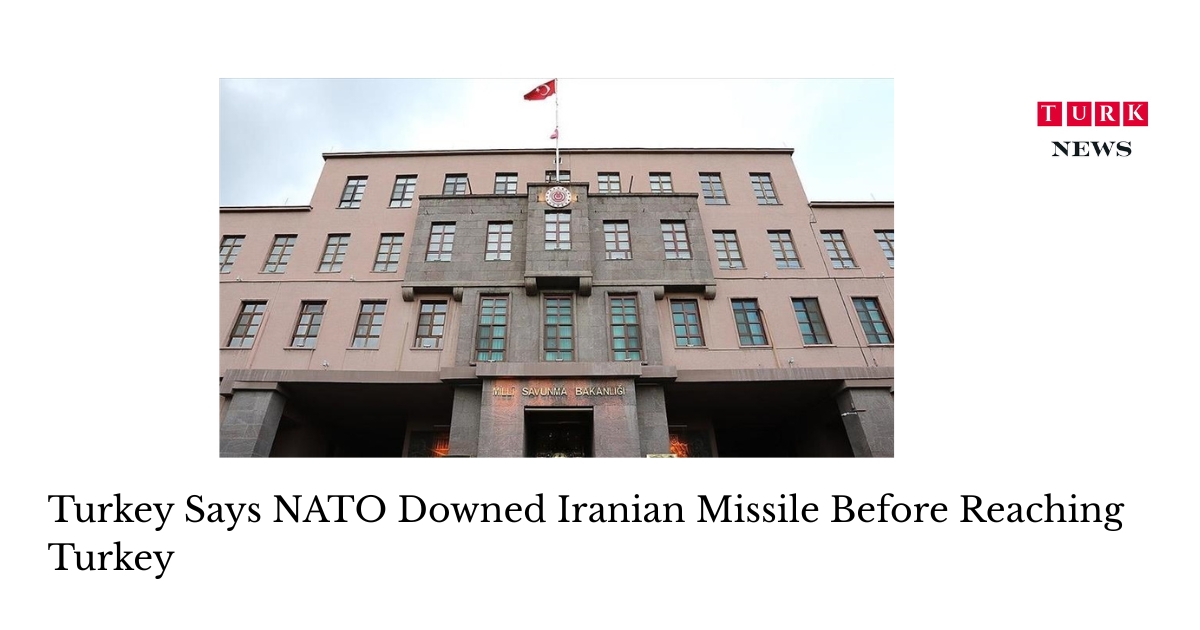
A ballistic missile launched from Iran was intercepted after it moved toward Turkish airspace, Turkey’s Ministry of National Defense announced on March 4. The missile reportedly crossed Iraqi and Syrian airspace before being neutralized by NATO air and missile defense elements deployed in the Eastern Mediterranean. No casualties were reported.
The ministry said the missile changed trajectory after entering regional air corridors and was assessed as heading toward Turkey. NATO-positioned defense systems in the Eastern Mediterranean carried out the interception. A fragment from the air defense munition used to destroy the missile fell in the Dörtyol district of Hatay province, authorities said, adding that there were no deaths or injuries.
In a statement, the ministry urged all parties to refrain from actions that could further expand the conflict across the region.
Diplomatic Response
Foreign Minister Hakan Fidan held a phone call with his Iranian counterpart Abbas Araghchi following the incident. Turkish diplomatic sources said Ankara conveyed its concerns regarding the ballistic munition and stressed the need to avoid steps that could escalate hostilities.
A Turkish official speaking to AFP** on condition of anonymity said the missile was not believed to have directly targeted Turkey. The official suggested it may have been aimed at a base in Southern Cyprus but deviated from its intended course.
NATO also reacted to the development. According to Reuters, a NATO spokesperson condemned Iran’s targeting of Turkey and reaffirmed that the alliance stands with all its members. The spokesperson said NATO’s deterrence and defense posture, including air and missile defense capabilities, remains active and strong.
Strategic Context
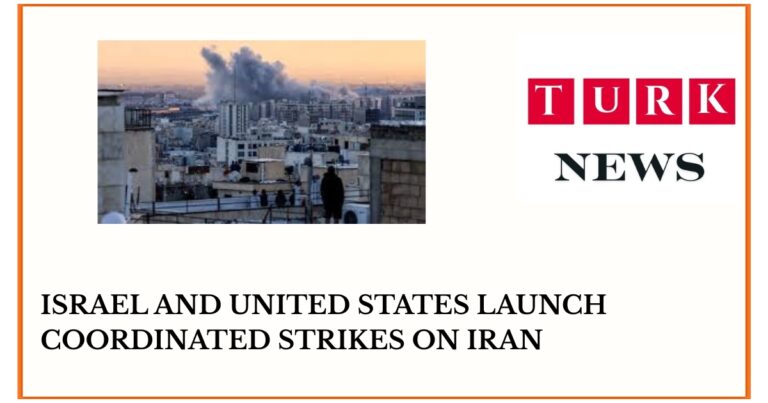
The interception comes amid intensifying regional hostilities involving Iran, Israel, and U.S. forces. In recent days, Iran has launched ballistic missiles and drones targeting Israel as well as American bases and diplomatic facilities across the region.
Security analysts say the incident could carry broader implications if evidence emerges that Turkey itself was an intended target. Ankara has previously sought to balance its NATO commitments with regional diplomacy, including maintaining channels of communication with Tehran.
The event highlights the increasing risk of spillover as regional confrontations widen. For Turkey, any confirmed direct threat to its territory could prompt a reassessment of its current security posture and coordination with NATO allies.
Source: BBC News Türkçe.
About the Author